What Is Hantavirus? Who Explains Rare Rodent-Borne Disease With Fatality Rate Up To 50Pc
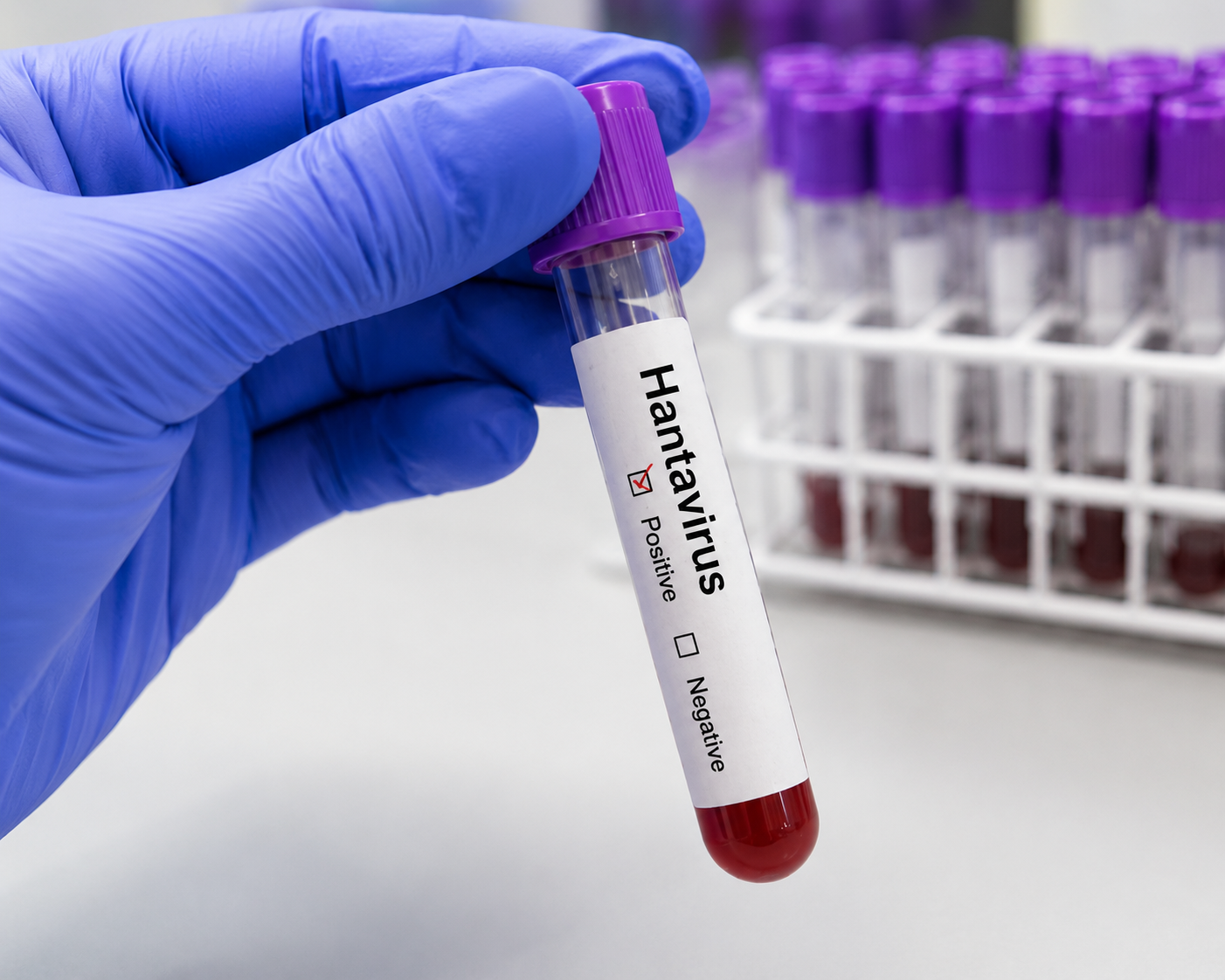
A deadly virus carried by rats and mice kills up to half of those it infects, and the World Health Organization just issued fresh warnings that have health experts across Kenya taking notice.
WHO has released updated guidance on hantavirus, a rare but lethal rodent-borne disease that causes severe breathing problems and kidney failure. The virus spreads when people breathe in contaminated dust from rodent droppings, urine, or saliva, with fatality rates climbing as high as 50 percent in parts of the Americas.
The timing couldn't be more critical for Kenya, where rapid urbanization and climate change create perfect conditions for rodent populations to explode. From Nairobi's sprawling informal settlements to rural grain stores, Kenyans live in close proximity to mice and rats that could potentially carry similar deadly pathogens.
Health officials say the disease hits hardest in communities with poor sanitation and overcrowded living conditions. Think about those cramped rental units in Eastlands, or the way rats scurry through matatu stages at night – these everyday realities put millions of Kenyans at risk if such viruses ever establish themselves locally.
The WHO guidance emphasizes that hantavirus cannot spread from person to person, unlike COVID-19. Instead, it lurks in the dust and debris where infected rodents have been active. Simple activities like sweeping a store room or cleaning out a chicken coop could become deadly if proper precautions aren't taken.
Kenya's Ministry of Health maintains robust disease surveillance systems, but experts worry about the country's preparedness for emerging rodent-borne threats. With M-Pesa agents storing cash in small rooms where rats might nest, and county governments struggling with waste management, the potential for exposure remains high.
Should Kenyan health authorities be doing more to monitor and prepare for rare but deadly diseases like hantavirus, or are we already stretched too thin fighting malaria, TB, and other established killers?