Pregnant Women Urged To Attend Regular Prenatal Clinics To Detect Complications Early
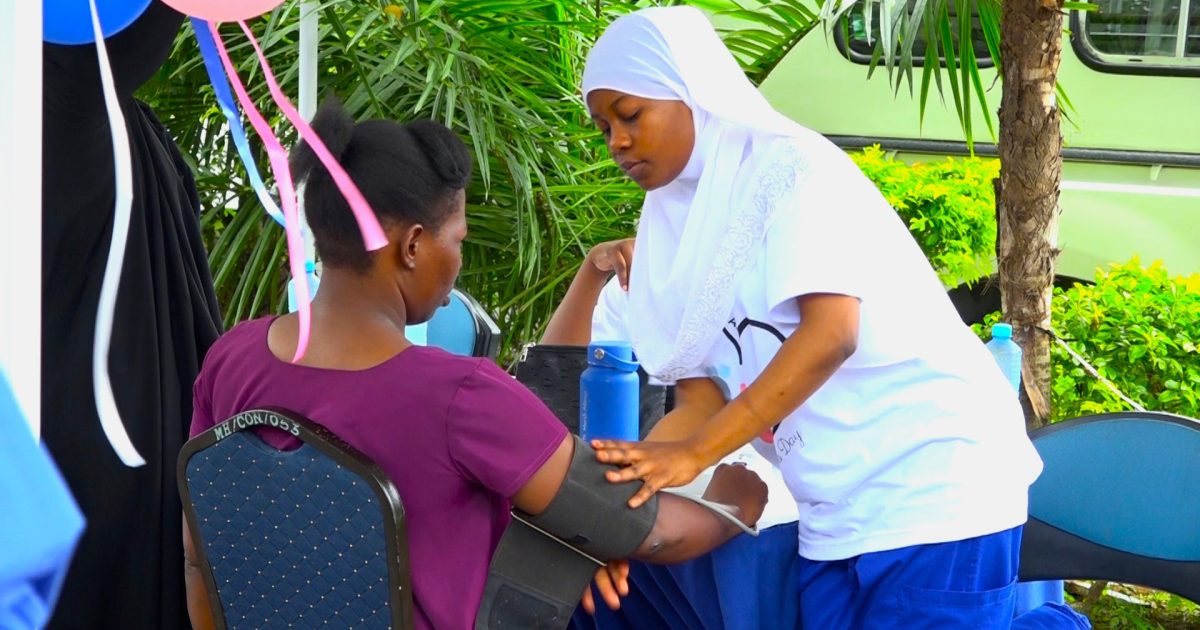
Every day in Kenya, three women lose their lives during childbirth – deaths that could be prevented if more expectant mothers embraced regular prenatal checkups instead of waiting until labor pains strike.
Medical experts at Mombasa's leading hospitals are sounding the alarm after witnessing too many emergency cases that could have been avoided. Doctors across the coastal city report that many women only seek medical attention when complications arise, missing crucial opportunities for early detection and intervention that could save both mother and child.
The reality hits hardest in Kenya's counties where a boda boda ride to the nearest health facility can cost a day's wages, and many families view hospital visits as unnecessary expenses until there's an emergency. Dr. Sarah Mwangi from Coast General Hospital explains that conditions like high blood pressure, diabetes, and anemia – common among Kenyan women – often develop silently during pregnancy and only show symptoms when they become life-threatening.
What makes this particularly heartbreaking is how preventable these tragedies are. Regular prenatal visits, which should start as early as the first trimester, can catch problems before they spiral out of control. These checkups monitor everything from the baby's growth to the mother's blood pressure, ensuring both are healthy throughout the nine-month journey.
The financial burden remains a real challenge for many families, especially when you consider that a comprehensive prenatal visit can cost what a matatu tout earns in two days. However, most county hospitals offer subsidized maternal care, and some provide free services under the government's universal health coverage initiative that many Kenyans don't even know they qualify for.
The doctors emphasize that prenatal care isn't just about preventing complications – it's about giving every Kenyan child the best possible start in life. When mothers receive proper nutrition advice, iron supplements, and regular monitoring, their babies are more likely to be born healthy and reach their full potential in school and beyond.
The question every expecting mother in Kenya should ask herself isn't whether she can afford regular prenatal care, but whether she can afford not to have it – because when it comes to maternal health, prevention will always be cheaper than cure, won't it?