Deloitte Sees Promise In Kenya’S 2026/27 Budget, But Warns Of Debt And Inflation Risks
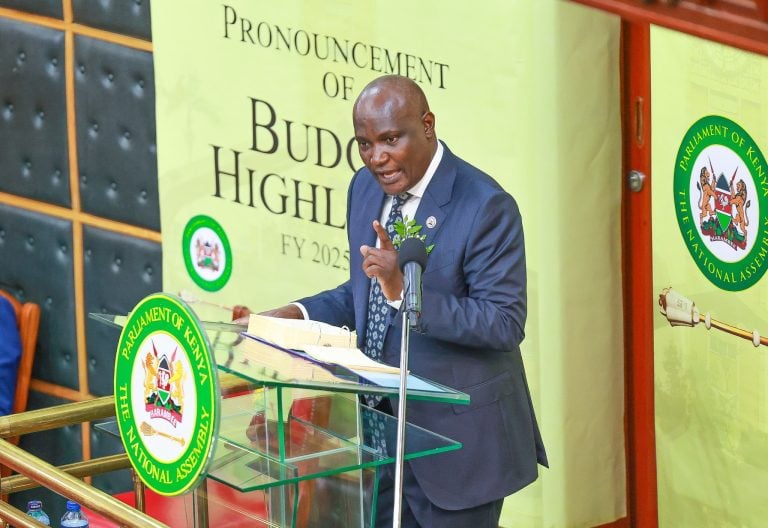
The moment every Kenyan has been waiting for - will the 2026/27 budget finally deliver the economic relief families desperately need, or are we heading for another round of painful price increases that will hit our pockets even harder?
Deloitte East Africa analysts have delivered their verdict on Kenya's upcoming 2026/27 budget, giving it a careful thumbs up while raising red flags about the debt mountain and inflation pressures that could make life more expensive for ordinary citizens. The global consulting firm says the government's spending plans walk a tightrope between boosting economic growth and keeping the country's finances from spiraling out of control.
The budget promises increased spending on infrastructure projects that could create jobs for the millions of unemployed youth currently struggling to make ends meet. Think more roads connecting rural areas to markets where farmers can sell their produce, better internet connectivity that could boost the digital economy, and improved healthcare facilities in counties that have been neglected for years. These investments matter because they directly affect whether a matatu operator in Mombasa can expand their routes or whether a small business owner in Kisumu can access new customers through mobile platforms.
However, Deloitte's economists warn that Kenya's debt levels remain dangerously high, meaning the government continues borrowing heavily to fund these ambitious projects. This debt burden could force authorities to introduce new taxes or raise existing ones, potentially making everything from fuel to basic commodities more expensive. For families already struggling with the cost of living, this could mean choosing between sending children to school or putting food on the table.
The inflation risk particularly worries analysts because it erodes the purchasing power of the Kenya shilling in people's pockets. When inflation rises, the money you send home through M-Pesa buys less ugali and sukuma wiki than it did last month. Small-scale traders who rely on daily sales to survive find their profits squeezed as suppliers raise prices faster than customers can absorb them.
County governments also face pressure under this budget framework, as they must balance development projects with debt servicing obligations. This could affect the quality of services delivered at the grassroots level, from healthcare in rural dispensaries to water projects that communities have been promised for years.
The big question remains whether Kenya can achieve sustainable growth without pushing ordinary citizens deeper into financial hardship - will this budget finally break the cycle of promising development while increasing the burden on already struggling households?